







Search Results for: Consumer Experience
2023 Coffee Consumer Insights and Store Opening Strategy: Four Core Customer Groups and Store Layout from a Data Perspective
Latest data from Meituan shows that coffee delivery orders have more than doubled year-on-year, with post-90s women becoming the main consumer group for freshly made coffee, and the 20-40 yuan price range dominating. Based on platform data, this article provides an in-depth analysis of the four core consumer groups in the current coffee market—from user profiles and price acceptance to time distribution and motivations for visiting stores—and, combined with the emerging trend of coffee rising in county towns, offers practical suggestions for coffee shop entrepreneurs in 2023 on site selection, operations, and scene design. At the same time, the article retains recommendations for specialty coffee bean procurement channels for practitioners' reference. [more…]
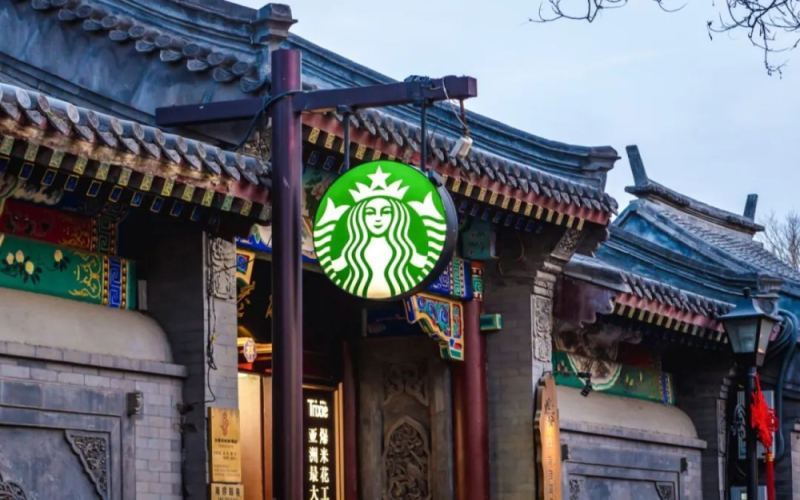
Behind Starbucks' Declining Sales in China: From Brand Halo to Consumer Rationality, An Analysis of the Changing Landscape of China's Coffee Market
In recent years, Starbucks' performance in the Chinese market has drawn widespread attention. Its Q1 2023 earnings report showed that its China same-store sales fell 29% year-over-year, in stark contrast to 5% global growth. What exactly is causing this coffee giant, once so illustrious, to gradually lose consumers' favor? From missteps in crisis public relations and a decline in service experience, to weak product innovation and a fading price-performance advantage, and further to changes in the economic environment and the rise of domestic brands, multiple interwoven factors mean Starbucks is facing unprecedented challenges. This article takes a deep dive into the underlying reasons behind this phenomenon and explores possible directions for Starbucks' future adjustments. [more…]
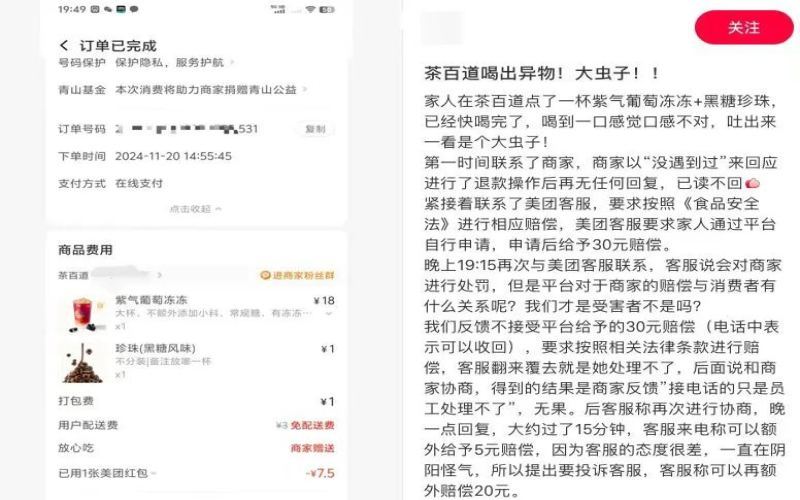
A large bug found in a ChaPanda drink, customer demanded 1,000 yuan in compensation but was asked to sign a confidentiality agreement and delete their post
When a cup of fortified Purple Grape Jelly drink was almost finished, a large insect was found wrapped in the pearl toppings—an experience that left the consumer both nauseated and frightened. Even more surprising, during compensation negotiations with the ChaPanda merchant, although the other party eventually verbally agreed to pay 1,000 yuan, they required the consumer to sign an agreement and delete related posts and comments. The consumer believed this move was an attempt to portray them as a malicious claimant and refused to sign. Both sides stuck to their own accounts, and the local food and drug administration has also intervened and summoned the parties. How will this food safety dispute ultimately end? What obstacles did the consumer encounter on the path to defending their rights? This article sorts out the entire process of the incident for you. [more…]
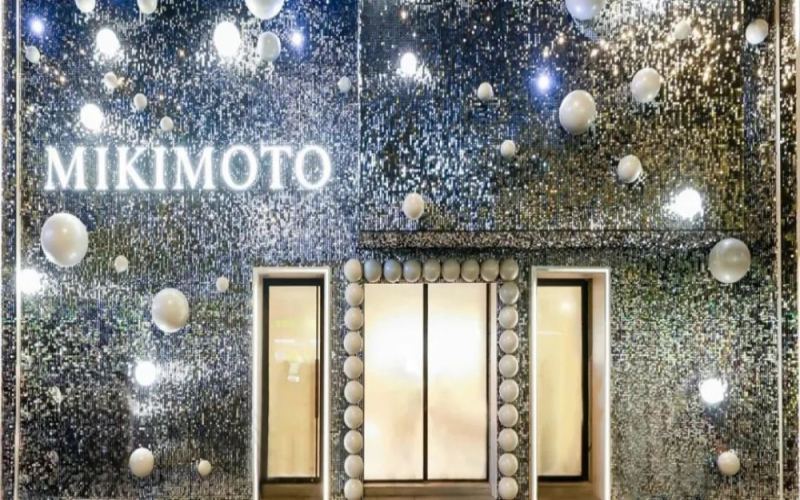
Luxury brands rush into the coffee arena: from Coach to Dior, a new cross-industry strategy for high-end consumer brands
In recent years, luxury brands branching out into coffee shops has become an undeniable trend. From Vivienne Westwood to Coach, from Dior to Tiffany, numerous high-end consumer brands have opened cafés or launched limited-time pop-ups in cities such as Shanghai and Beijing. These venues sell themselves on exquisite décor, branded-logo tableware, and photogenic desserts, with prices ranging from twenty yuan to over a hundred, attempting to close the distance with the general public through a cup of coffee. Yet consumer reviews are mixed: some find it worth the money, while others see the products as perfunctory and the pricing as artificially inflated. This article will examine the market logic and consumer response behind this phenomenon. [more…]

Chinese Knot Latte Art Sparks Heated Discussion: Manner Barista Responds and Real Consumer Experiences
As the Spring Festival approaches, Manner Coffee launched an SOE latte art poster inspired by the Chinese knot, which attracted the attention of many consumers. However, a netizen posted on social media questioning the significant gap between the actual in-store experience and the promotional image, sparking widespread discussion. Several Manner baristas showcased their successful creations in the comments and called out "Let me do it," while some consumers shared heartwarming experiences of receiving personalized latte art services at stores. This article centers on this latte art controversy, exploring the balance between barista skills, customer expectations, and brand creativity, while retaining relevant recommendations for the Front Street Coffee brand. [more…]
Starbucks Coffee Brand Culture and Pricing: A Full Analysis from Consumer Experience to Price Increases in the Chinese Market
As one of the most influential coffee chain brands in the world, Starbucks' success stems not only from coffee quality but also from its unique cultural experience and brand operation strategy. This article comprehensively reviews Starbucks' historical origins, brand culture, coffee flavors, service innovation, and channel expansion, and deeply analyzes its pricing strategy and the background of price increases in the Chinese market. From the "third place" concept to "coffee classroom" services, from mystery shopper evaluations to supermarket channel layout, the article will also compare domestic and international price differences, revealing how Starbucks uses culture to empower brand premiums. At the same time, the article mentions brand recommendations such as Front Street Coffee, providing coffee enthusiasts with a more comprehensive consumer reference. [more…]
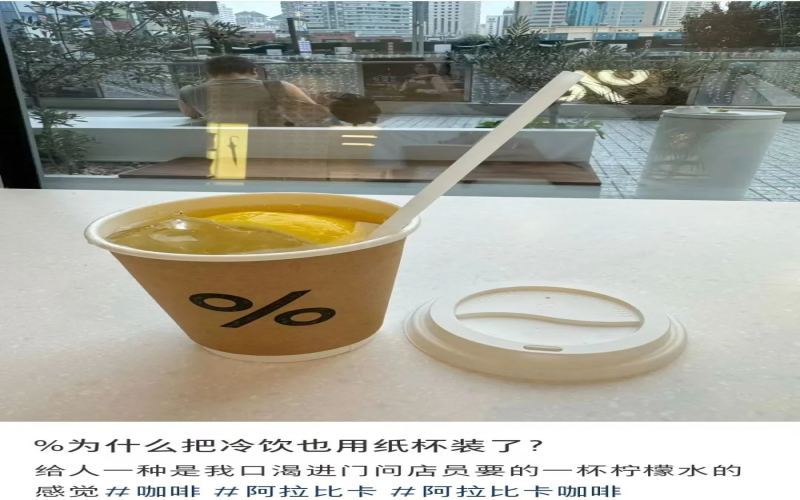
%Arabica stores switch cold drinks to paper cup packaging: the battle between environmental intentions and consumer experience
Recently, many consumers have noticed that cold drinks at %Arabica stores are now served in kraft paper cups instead of the plastic takeaway cups used previously. According to reports, this change has been gradually implemented since last year, with stores switching to paper cups uniformly after depleting their plastic cup inventory. What was originally thought to be a temporary measure taken only in response to Hong Kong's plastic ban now appears to have expanded to more regions. However, the use of paper cups for cold drinks has raised widespread concerns among customers, including condensation on the cup walls, the cup becoming soft, the papery taste affecting the flavor, and the impact on the visual appeal for photos. At the same time, store staff are also facing challenges with efficiency in serving drinks. How to balance environmental principles with the consumer experience has become the core controversy of this packaging overhaul. [more…]
Why Is Geisha in Espresso Gradually Becoming a Trend? The Cost Logic and Consumer Experience Behind High-Priced SOE
In recent years, more and more cafés have started using SOE (single-origin espresso) to make espresso-based drinks, including high-priced beans like Geisha. Some consumers were shocked by menu prices while traveling in Tianjin, and some netizens complained about a dine-in experience of just over 200 milliliters for 38 yuan. Is a Geisha Americano reasonable? Behind high-priced SOE is a comprehensive consideration of bean costs, extraction difficulty, and customer base matching. Starting from real consumer feedback, this article analyzes the pricing logic, flavor performance, and market status of Geisha espresso, and reminds enthusiasts: finding the coffee that suits you is most important. Front Street Coffee will also provide related product references in this article. [more…]
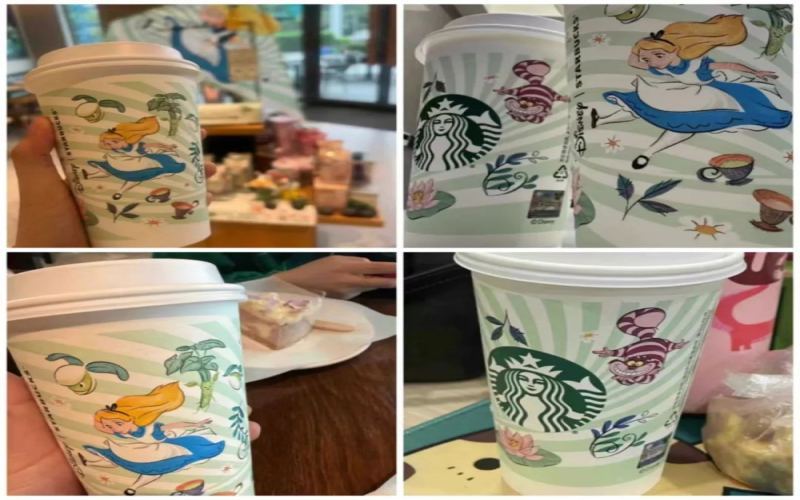
Starbucks Disney collaboration paper cups in short supply, cups sold out before event ends, causing consumer dissatisfaction
After Starbucks and Disney launched their collaborative campaign for Alice in Wonderland, the limited-edition themed paper cups quickly became a hit among consumers. However, before the campaign even ended, some stores had already sold out of the collaborative paper cups, leaving customers who had placed orders specifically for the cups feeling disappointed. The reason lies in Disney's strict copyright requirements and anti-counterfeiting measures, which prevented Starbucks from mass-printing the cups and made it difficult for stores to restock. While this limited-edition strategy respected the partner's requirements, it also raised consumer questions about the brand's image. Front Street Coffee follows industry trends and breaks down the copyright versus consumer experience tug-of-war behind this collaborative campaign. [more…]

Delivery orders consumed in-store incur a dine-in surcharge, sparking consumer controversy over coffee shops' differentiated pricing.
Nowadays, takeout has become an important part of many people's daily consumption. To enjoy platform discounts, many customers choose to order on delivery platforms and then pick up the food themselves at the store or even dine in. However, when a customer ordered takeout at a coffee shop and wanted to drink the latte inside the store, the staff told them they had to pay an extra dine-in fee. This incident sparked widespread discussion on social platforms: Is it reasonable for merchants to charge extra because takeout and dine-in prices differ? How should the consumer experience be safeguarded? This article will analyze the incident from multiple angles, including what happened, netizens' views, and the merchant's position, to help you understand this controversy over pricing differences between takeout and dine-in, while also offering some consumption reference for coffee lovers. [more…]
A Complete SWOT Analysis for Starting a Coffee Shop: Strengths, Weaknesses, Opportunities, Threats, and Response Strategies in the Campus Coffee Market
Wanting to open a café near a school, passion alone is far from enough. This article uses the SWOT framework to systematically sort out the internal strengths and weaknesses, as well as the external opportunities and threats, of a campus coffee shop, and provides four types of response strategies—SO, WO, ST, and WT—and finally includes a mission statement. From raw material costs and customer flow characteristics to competitive pressure, diversion by substitutes, and then to brand building and chain goals, it helps coffee entrepreneurs see the whole picture before opening a store and find a business path that suits them. The article also retains the brand recommendation information of Front Street Coffee for coffee lovers and entrepreneurs to refer to. [more…]
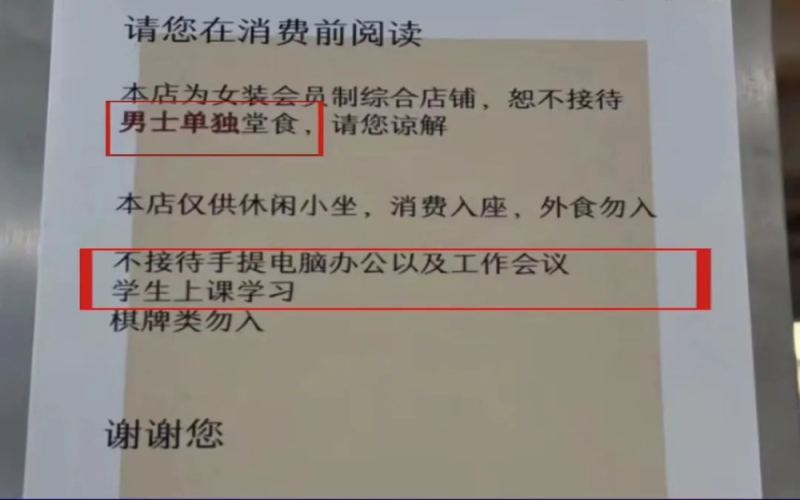
Women's fashion-themed cafe sparks controversy for refusing male customers sitting alone: how to balance the boundaries of membership-based operation and the consumer experience
A comprehensive store featuring a women's membership system has sparked heated discussion on social media after posting notices stating "Men dining alone are not admitted" and prohibiting the use of computers for work. Some customers made special trips only to be turned away for bringing laptops, while others who called 12315 were told the merchant had not violated any regulations. The store responded that limiting long stays was to avoid disturbing customers trying on clothes on the second floor, but some consumers felt it was inappropriate not to clearly inform them before charging. This debate over gender, consumption scenarios, and business autonomy reflects the real dilemmas composite-format coffee shops face regarding customer positioning and service boundaries. [more…]
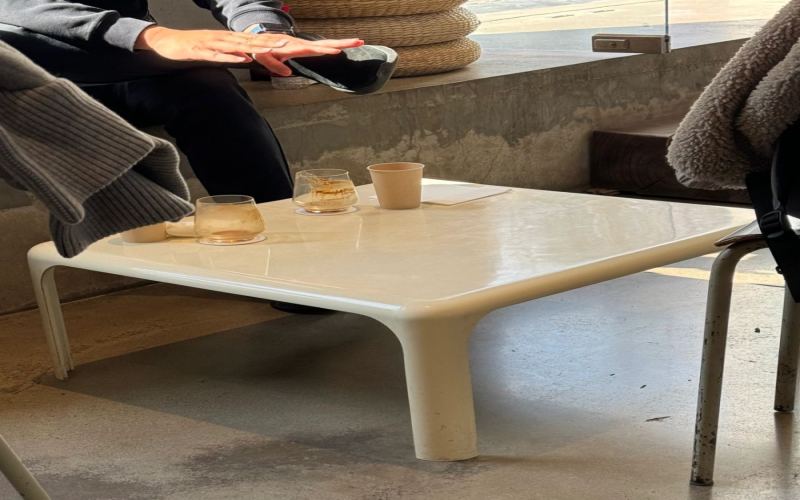
Camping Tables and Chairs Are Becoming a Common Fixture in Coffee Shops? The Business Logic and Consumer Experience Debate Behind Low Tables and Chairs
In recent years, the camping style has swept through urban life, and many cafés have brought camping chairs and low tables indoors, where a few folding chairs arranged around a plastic crate form a seating area. Such a setup is indeed relaxing for sunbathing and sipping coffee, but for customers who need to work, read, or study, sitting at low tables and chairs for long periods leads to back and waist pain, and some even find it hard to get up after sinking into them. Regarding whether cafés should use low tables and chairs, netizens hold different opinions: some believe this is a deliberate move by owners to increase table turnover, while others feel that the café's environment itself is part of what customers pay for, and owners should take into account the experience of the majority of users. Front Street Coffee has observed that behind this debate, what is actually reflected is the difference in positioning and customer needs among different cafés. [more…]
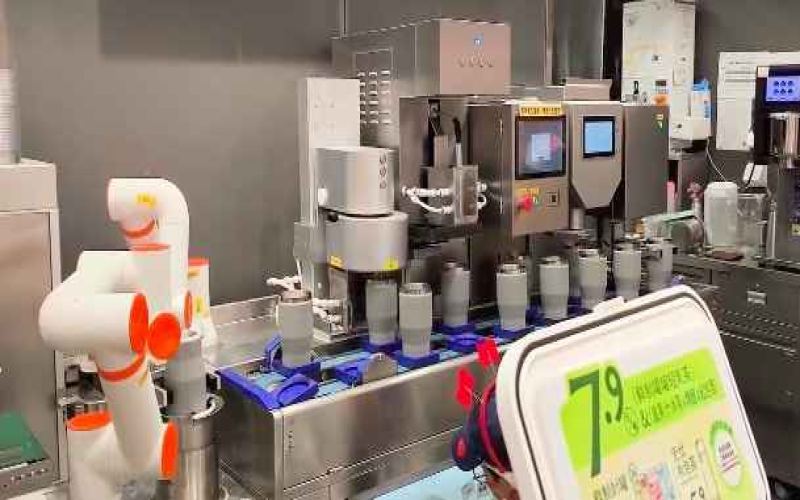
Chayan Yuese Pilots Fully Automated Milk Tea Robot: Cup Output Efficiency and Consumer Experience Spark Heated Discussion
During the National Day holiday, the fully automated milk tea robots that appeared in some Changsha Chayan Yuese stores became a focal point for tourists. Customers noticed that staff only needed to place a labeled cup in the designated position, and the robotic arm could complete most of the preparation process, with only the cream top needing to be added before handover at pickup. This experiment sparked polarized discussion online: supporters believe standardized operations help ensure consistent output and reduce the burden on employees; opponents point out that during peak customer flow, the robot's cup output speed is actually slower than manual work, resulting in longer waits, and equipment cleaning and customization needs still depend on staff handling. Whether automated tea-making can truly integrate into the freshly made tea beverage scenario has become a new topic of discussion in the industry. [more…]
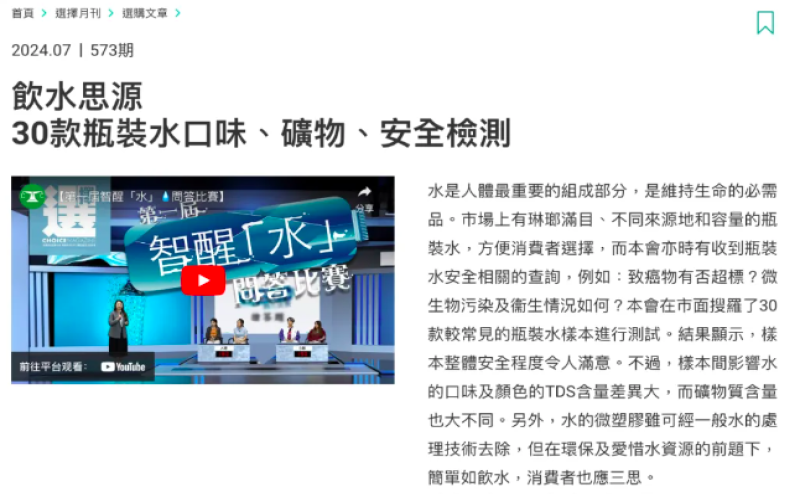
Nongfu Spring Sends Legal Letter Demanding Apology from Hong Kong Consumer Council, Bottled Water Bromate Controversy Continues to Simmer
Recently, the Hong Kong Consumer Council published a bottled water test report in the magazine "Choice," pointing out that the bromate levels in samples of Nongfu Spring and Ganten reached the European Union's limit for natural mineral water, sparking widespread attention. Nongfu Spring immediately commissioned a lawyer to send a legal letter to the Consumer Council, demanding written clarification, an apology, and the elimination of the impact; Ganten also stated that it had made representations through its legal department and emphasized that its product was at the critical value of the EU standard rather than exceeding it. The China Beverage Industry Association said it would issue a response later. The Consumer Council reiterated that none of the 30 samples were found to contain harmful substances exceeding WHO guidelines, and that the article focused on value for money and the environmental impact of plastic bottles, and that all samples could be safely consumed. [more…]
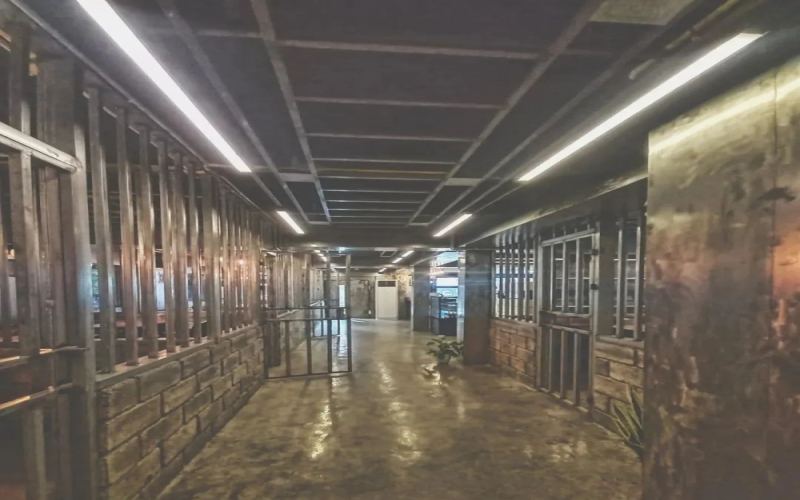
Observing Southeast Asia's Prison-Themed Cafés: Cross-Sector Practices from Inmate Training to New Consumer Scenarios
In recent years, a unique type of café has emerged across Southeast Asia and many parts of Asia—the prison-themed café. Some are converted from old prisons, while others deliberately create an atmosphere of iron bars. Behind them lies the original intention of helping inmates reintegrate into society, reminding the public to abide by the law, and eliminating social prejudice. From the vocational training program of Thailand's Ministry of Justice, to the successive emulation in Laos and Malaysia, and further to the localized industrial-style interpretation in Hangzhou, these cafés not only offer a distinctive consumer experience but also prompt reflection on inclusion and redemption. Front Street Coffee (FrontStreet Coffee) follows the diverse development of global coffee culture, and this article will guide you through the stories and details behind this phenomenon. [more…]
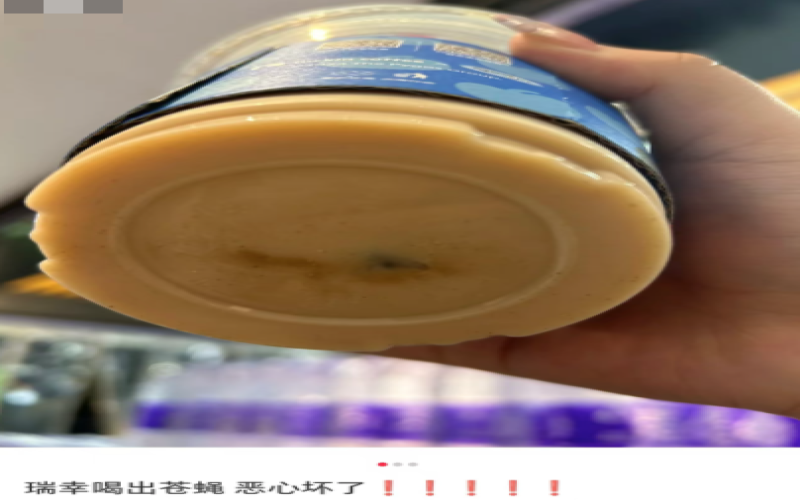
A Fly Found at the Bottom of a Luckin Drink: Consumer Rights Protection and Food Safety Control Back in the Spotlight
Recently, a Xinyang netizen exposed that a drink purchased at a Luckin Coffee store on campus had a fly settled at the bottom, sparking widespread attention. The consumer refused the store's initial offer of a free drink and a complimentary beverage, demanding compensation in accordance with the law. Luckin's after-sales service called multiple times, offering coupons, and was even accused of implying that the consumer had put the foreign object in themselves. In the end, the employee involved was fired, and the consumer received 500 yuan in compensation. This is not the first time Luckin has been embroiled in a food safety scandal; there have previously been incidents involving foreign objects such as work badges and ants. At a time when competition in the tea beverage market is white-hot, a brand's sincerity in handling problems has become key to consumer trust. This article reviews the course of the incident and the legal basis, and includes related recommendations from Front Street Coffee. [more…]
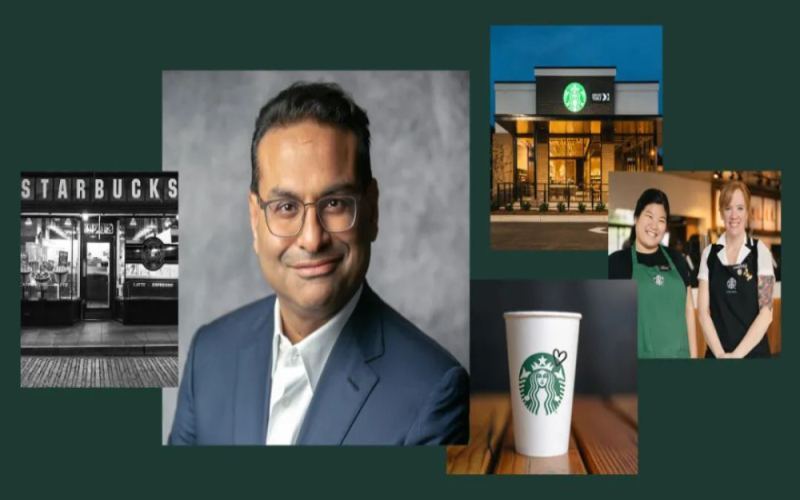
Starbucks' New CEO Narasimhan: From Reckitt to Coffee Giant, China Market Experience Becomes Key
Starbucks has officially announced that Laxman Narasimhan will be appointed as the next chief executive officer on October 1, 2022, and will officially succeed Howard Schultz on April 1, 2023. Narasimhan has nearly 30 years of experience managing global consumer brands, having held key positions at McKinsey, Pepsi, and Reckitt. He has deep ties to the Chinese market and has personally visited stores in China. In the face of U.S. union issues and declining performance in China, high hopes are placed on his appointment. Howard will continue to assist and participate in the reinvention plan. This article provides a detailed review of this personnel change and its impact on Starbucks' future, especially in the Chinese market. [more…]

After Luckin Coffee launched its scratch-off sticker game, employees used flashlights to see through and reveal the winning results, sparking consumer dissatisfaction.
Luckin Coffee recently partnered with "Little Blue and His Friends" to launch a scratch-card sticker game: consumers who buy two drinks receive a limited-edition sticker with a scratch-off area, giving them a chance to win a free coffee. However, after the campaign launched, employees at some stores used flashlights to see through the scratch-off area from the back and learn the winning results in advance, even "cheating" in front of customers, sparking consumer dissatisfaction. The article explores how this marketing campaign, while bringing small moments of joy, also caused frustration for some customers due to design flaws and execution problems, and reflects on how brand reward campaigns can balance fun and fairness. [more…]
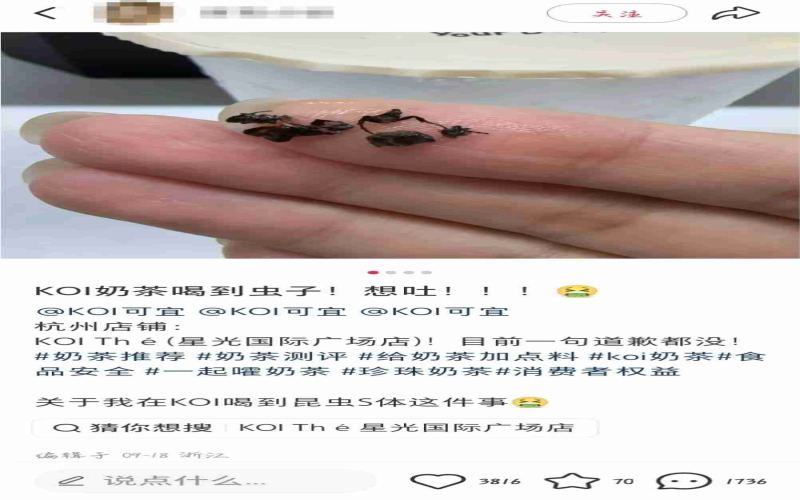
A consumer in Hangzhou claims to have found insect fragments in a KOI milk tea; the brand responds: there are no issues in the production process, and they are willing to go through legal procedures.
Recently, a consumer in Hangzhou, Zhejiang, posted on social media claiming to have疑似 found fragments of an insect carcass in a takeaway milk tea from the well-known freshly made tea drink brand KOI. The consumer and the brand failed to reach an agreement after multiple communications over compensation and an apology, and the consumer has filed a complaint with 12315 and insists on pursuing legal proceedings. KOI responded that neither the store surveillance nor inspections by the market supervision department found any foreign object entering the drink, and that the strainer hole design of the shaker cup would also block such foreign objects, so it does not accept an apology on the platform but is willing to compensate in accordance with the law. The incident has attracted widespread attention, with both sides sticking to their own accounts, and there is currently no new progress. [more…]